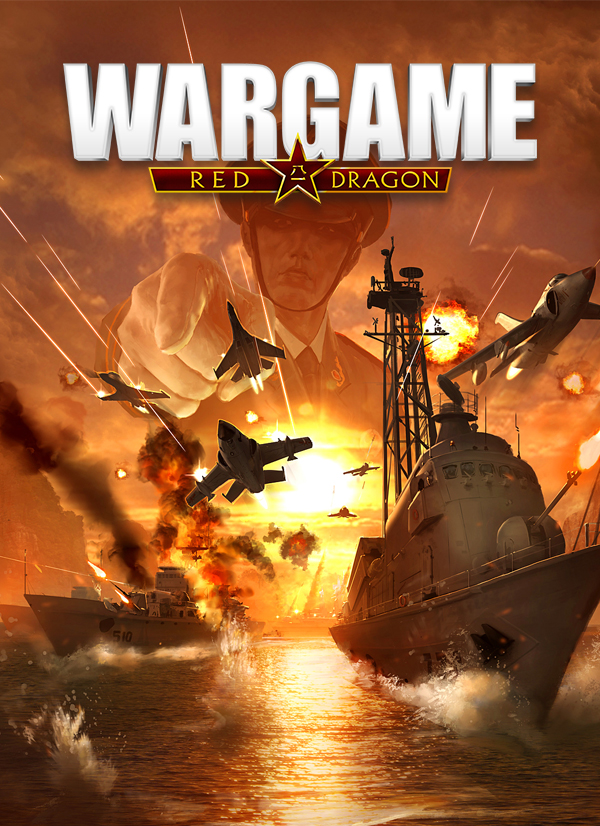
Wargame: Red Dragon! Hell in a very small place
When I was a little boy in the early 1980s, I’d play with boxes full of toy soldiers, tanks, airplanes and helicopters. The living room floor would turn into the North German Plain or the jungles of Vietnam. Squadrons of fighters would streak through the kitchen and merge into deadly combat somewhere in the airspace above the dining room table. The family room would be forcibly occupied in order to prepare defensive lines that would preserve democracy and the American way until my mom called me away for dinner. In an era when there were no computers in the home for the most part and electronic gaming was in its infancy, the only thing standing between freedom and communist global insurgency was me and my plastic Marine Corps. My toy soldiers are all gone now, so when I want to play out some Cold War fantasy I power up my computer and launch one of Eugen System’s excellent games in the Wargame series. Lately, this has been Red Dragon.
By: Craig Handler
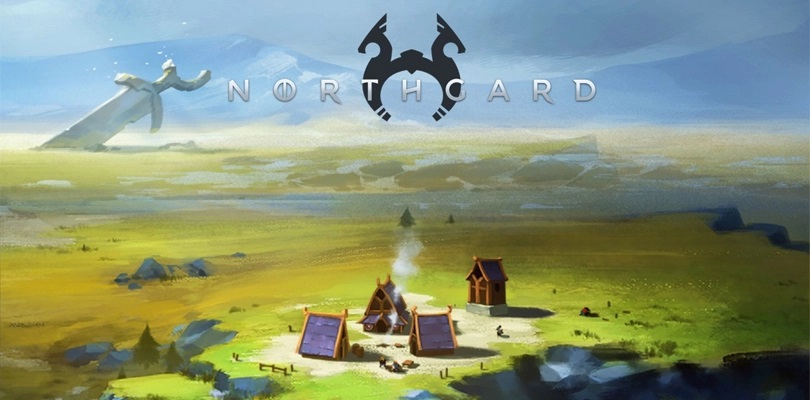
What’s Gus Playing? Northgard!
A wise man once wrote that ‘sometimes love just ain’t enough.’ Tragic, but true.
I looked forward to playing Northgard for a long time since I got the complete game at a deep discount a few months ago (there have been several DLCs dropped since it’s release). A city builder set at the beginning of the Viking Age (around 800 AD), Northgard gives the player a dozen different clans to choose from in sandbox mode, along with options for a story mode (sort of a long tutorial) and multiplayer.
By: Lloyd Sabin
What’s Gus Playing? Order of Battle – Red Steel!
Looking out my window I see the woods and the hill behind my house covered in about 2.5 feet of snow. There’s barely any color out there besides gray and white and it’s about 25 degrees. The warmth and love in my home can’t overcome the chill.
By: Lloyd Sabin,
Grogheads Sunday Morning Musings!
Red Dead Redemption 2 is incredibly well-regarded for its immersive rendition of the American West in 1899. Rockstar Games created an open world that logically reacts to the player’s deeds and misdeeds. If you commit heinous crimes in a little town, you can always pay off your bounty – but even so, the local sheriff’s office maintains a description of your character’s appearance. If you come back with the same clothes and facial hair, the locals are prone to remember you as that jerk who shot their cousin a few weeks back. On the other hand, if you cover your face when you commit crimes and strategically swap outfits when nobody’s watching, not only can you get away with plain-sight robberies, but you can follow them up by casually chatting with the lawmen investigating your crimes. The depth of the bounty system is arcane and not particularly well explained in tooltips or tutorials, but once you understand it, it’s equally delightful and frustrating to try and manipulate.
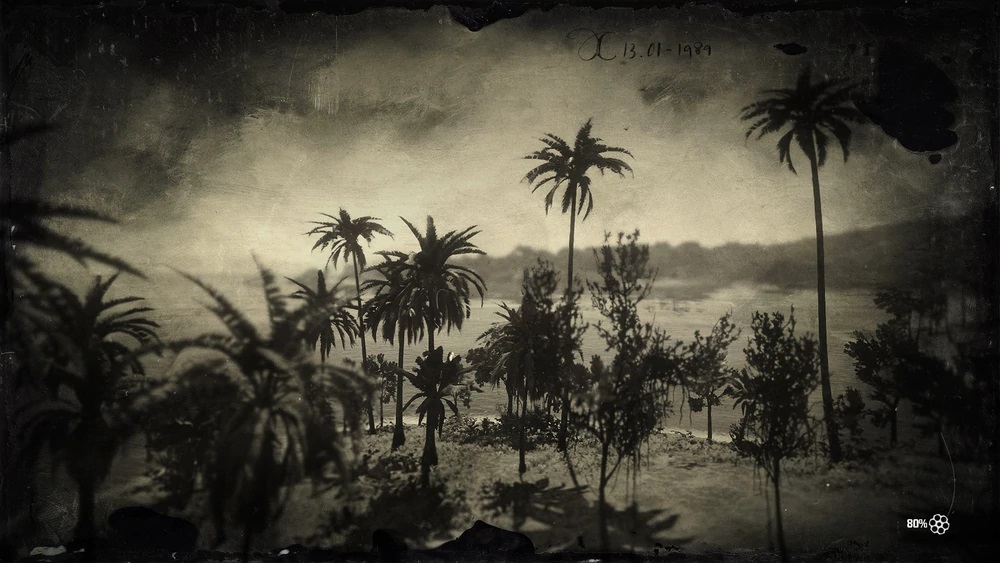
This strength of the game is exactly why many players hate Chapter V – the “Guarma” section where the main characters are stranded on a tropical island embattled by civil war.